






java 7 引入的 try-with-resources 机制通过自动调用 close() 方法,可以安全地管理实现了 autocloseable 接口的资源。对于 java.nio.channels.channel 及其子类(如 filechannel、datagramchannel),只需在 try 关键字后的括号中声明并初始化通道实例,即可实现资源的自动释放。

如何正确声明和初始化 Channel 实例
在使用 try-with-resources 时,必须在 try 语句的圆括号内完成通道的创建。由于大多数 Channel 的工厂方法(如 FileChannel.open())会抛出 IOException,因此 try 块必须配合 catch 或 throws 使用。这种写法确保了即使初始化过程中发生异常,也不会导致资源泄漏,因为未完全初始化的对象不会被注册到自动关闭列表中。
import java.io.IOException;
import java.nio.channels.FileChannel;
import java.nio.file.Paths;

public class ChannelExample {
    public static void main(String[] args) {
        // 在 try 括号内直接初始化 FileChannel
        try (FileChannel channel = FileChannel.open(
                Paths.get("test.txt"),
                java.nio.file.StandardOpenOption.READ)) {

            // 在此处执行读取操作
            System.out.println("Channel is open and ready.");
        } catch (IOException e) {
            System.err.println("Failed to open or use channel: " + e.getMessage());
        }
        // 离开 try 块后,channel.close() 被自动调用
    }
}
如何处理多个 Channel 的资源管理
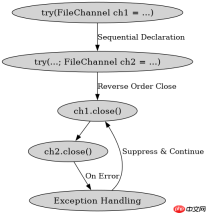
当需要同时管理多个 Channel 实例时,可以在 try 括号内用分号分隔它们。JVM 会按照声明的逆序依次调用它们的 close() 方法。如果在关闭前一个资源时抛出异常,该异常会被抑制,而不会中断后续资源的关闭流程,从而保证所有资源都能得到清理。

在代码库出现结构漂移之前,扫描JS或TS代码库中的禁止导入、循环依赖、孤立模块和其他依赖规则违规情况。

import java.io.IOException;
import java.nio.channels.AsynchronousFileChannel;
import java.nio.file.Path;
import java.nio.file.Paths;
import java.nio.file.StandardOpenOption;
import java.util.concurrent.ExecutorService;
import java.util.concurrent.Executors;

public class MultiChannelExample {
    public static void main(String[] args) throws IOException {
        ExecutorService executor = Executors.newFixedThreadPool(2);
        Path path1 = Paths.get("file1.txt");
        Path path2 = Paths.get("file2.txt");

        // 同时管理两个异步通道
        try (AsynchronousFileChannel ch1 = AsynchronousFileChannel.open(path1, StandardOpenOption.READ);
             AsynchronousFileChannel ch2 = AsynchronousFileChannel.open(path2, StandardOpenOption.READ)) {

            // 使用 ch1 和 ch2 进行非阻塞 I/O 操作
            System.out.println("Both channels are active.");
        } catch (IOException e) {
            System.err.println("Error with channels: " + e.getMessage());
        } finally {
            // 注意:ExecutorService 本身不实现 AutoCloseable,需手动关闭
            executor.shutdown();
        }
    }
}
Channel 关闭时的异常处理机制是怎样的
在 try-with-resources 结构中,如果 close() 方法在执行时抛出异常,这些异常会被作为“ suppressed exceptions”附加到主 try 块中可能抛出的异常上。开发者可以通过 Throwable.getSuppressed() 方法获取这些被抑制的异常,从而全面诊断资源关闭阶段的问题。这种机制避免了因关闭失败而掩盖了主要业务逻辑中的错误。
Java免费学习笔记:立即使用
解锁 Java 大师之旅:从入门到精通的终极指南


