






在 javascript 中使用 find() 时,直接传入箭头函数作为回调即可。该函数接收当前元素、索引和原数组三个参数,返回布尔值决定匹配逻辑。若找到满足条件的元素则立即返回该对象,否则返回 undefined。

find() 遇到空输入会返回什么
当调用 find() 的数组为空时,不会执行回调函数,直接返回 undefined。这符合所有迭代方法在空集合上的默认行为,无需额外判断数组长度。
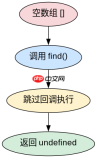
const arr = [];
const result = arr.find(item => item.id === 1);
console.log(result); // undefined
console.log(typeof result); // 'undefined'
find() 找不到匹配项时的返回值类型
如果遍历完整个数组都没有找到满足条件的元素,find() 同样返回 undefined。这与未找到元素的语义一致,区别于 indexOf 返回 -1 的行为。开发者应使用严格相等或 === 检查返回值是否为 undefined。


const users = [
  { id: 1, name: 'Alice' },
  { id: 2, name: 'Bob' }
];

// 查找不存在的用户
const found = users.find(user => user.name === 'Charlie');
if (found === undefined) {
  console.log('未找到匹配项');
}

// 对比:找到存在的项目
const alice = users.find(user => user.id === 1);
console.log(alice); // { id: 1, name: 'Alice' }
基于 find() 中箭头函数参数顺序的具体问题
在 find() 的箭头函数中,第一个参数是当前遍历的元素,第二个是索引,第三个是原数组。虽然通常只使用第一个参数,但明确参数顺序有助于处理复杂逻辑,例如需要索引进行条件判断时。错误地将索引当作元素会导致类型错误或逻辑异常。
Java免费学习笔记:立即使用
解锁 Java 大师之旅:从入门到精通的终极指南





