






在 javascript 中使用 class 继承时,子类构造函数必须通过 super() 调用父类构造函数以完成初始化并获取 this 上下文。若需将方法绑定到特定实例,可在构造函数中使用 .bind(this) 或在定义时使用箭头函数。这样做能确保回调中的 this 始终指向当前对象实例,避免执行环境丢失导致的引用错误。

子类构造函数中 super() 的调用时机与 this 访问限制
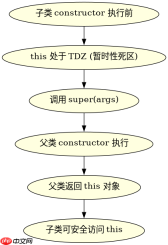
在 ES6 类继承中,子类构造函数必须在访问 this 之前调用 super()。这是因为子类的 this 对象是由父类构造函数创建并返回的,未调用 super() 时 this 处于未定义状态。这一机制确保了继承链上的属性初始化顺序正确,防止因上下文缺失引发的运行时异常。
class Parent {
  constructor(name) {
    this.name = name;
  }
}

class Child extends Parent {
  constructor(name, age) {
    // 必须先调用 super() 才能使用 this
    super(name);
    this.age = age;
  }
}

const child = new Child('Alice', 10); console.log(child.name); // Alice
方法绑定 this 的两种实现方式对比
为了解决类方法中 this 指向丢失的问题,开发者通常采用构造函数绑定或箭头函数定义两种方式。构造函数绑定通过在 constructor 中使用 .bind(this) 显式固定上下文;箭头函数则利用词法作用域自动捕获定义时的 this。两者均能有效解决异步回调或事件监听中的上下文错误,但实现位置不同。


// 方式一:构造函数绑定
class Button1 {
  constructor() {
    this.handleClick = this.handleClick.bind(this);
  }
  handleClick() { console.log(this); }
}

// 方式二:箭头函数定义
class Button2 {
  handleClick = () => { console.log(this); };
}
基于 super() 调用前访问 this 的具体报错分析
当在子类构造函数中尝试在 super() 之前访问 this 时,JavaScript 引擎会抛出 ReferenceError。这是语言规范强制规定的语法错误,旨在保护继承链的状态一致性。该错误无法通过运行时逻辑规避,必须在代码结构上严格遵循先 super() 后 this 的顺序。
Java免费学习笔记:立即使用
解锁 Java 大师之旅:从入门到精通的终极指南





