






java 8 引入的 binaryoperator 接口通过其唯一的抽象方法 apply(t t, t u) 接收两个同类型参数并返回合并后的结果,开发者只需实现该逻辑即可合并值。对于数值类型,可以直接使用 java.util.function.intbinaryoperator 等特化接口或调用 math.max、math.min 等工具类方法;对于对象类型,则需定义具体的合并策略(如取最大值、拼接字符串)。若处理集合,可结合 stream 的 reduce 操作自动迭代执行合并逻辑。
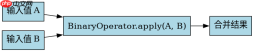
如何对两个整数进行求和或取最大值的合并?
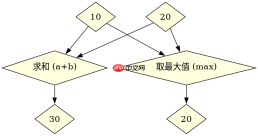
针对基本数据类型,推荐使用 IntBinaryOperator 接口以避免装箱开销。例如,将两个整数相加可以使用 (a, b) -> a + b 的 Lambda 表达式,而取最大值可直接引用 Integer::max。这些操作符在 Stream 的归约操作中非常高效。
import java.util.function.IntBinaryOperator;

public class IntMerge {
    public static void main(String[] args) {
        IntBinaryOperator sum = (a, b) -> a + b;
        IntBinaryOperator max = Integer::max;

        System.out.println("Sum: " + sum.applyAsInt(10, 20));
        System.out.println("Max: " + max.applyAsInt(10, 20));
    }
}
运行上述代码将输出:
Sum: 30
Max: 20
如何自定义合并两个对象的逻辑?
当需要合并自定义对象时,可以创建实现了 BinaryOperator 的实例。例如,合并两个用户对象时,可以保留 ID 较大者的信息,或者合并两者的属性。这种灵活性允许开发者根据业务需求定义复杂的合并规则。

使用Atmosphere构建通过WebSocket、SSE、gRPC、WebTransport、MCP、A2A和AG-UI流传输的JVM代理网关,并带有治理钩子。

import java.util.function.BinaryOperator;

class User {
    String name;
    int age;
    User(String n, int a) { name = n; age = a; }
}

public class ObjectMerge {
    public static void main(String[] args) {
        BinaryOperator<user> merger = (u1, u2) -> new User(u1.name, Math.max(u1.age, u2.age));
        User result = merger.apply(new User("Alice", 25), new User("Bob", 30));
        System.out.println(result.name + ": " + result.age);
    }
}</user>
运行上述代码将输出:
Alice: 30
BinaryOperator 在 Stream reduce 中如何处理空集合?
在使用 Stream.reduce(BinaryOperator) 时,如果流为空,该方法会返回一个 Optional 包裹的结果。若流中只有一个元素,直接返回该元素;若为空,则返回空的 Optional。开发者应使用 orElse 或 ifPresent 来处理可能的空值情况,避免 get() 抛出异常。
Java免费学习笔记:立即使用
解锁 Java 大师之旅:从入门到精通的终极指南


