






java 数据库连接池实现租户隔离的核心做法是配置多个独立的 datasource 实例,每个实例绑定一个特定的数据库 schema 或物理库,并通过路由机制根据当前请求的租户标识动态切换数据源。具体而言,需要为每个租户定义独立的 jdbc url、用户名和密码,在 spring boot 中通常结合 @configuration 类使用 abstractroutingdatasource 进行动态路由,或者使用 shardingsphere-jdbc 等中间件进行透明化分片。这样做的结果是,不同租户的请求会被严格限制在其专属的连接池中,无法访问其他租户的数据,从而实现逻辑或物理层面的隔离。

如何基于 ThreadLocal 实现动态数据源路由
通过继承 AbstractRoutingDataSource 并重写 determineCurrentLookupKey() 方法,可以实现在运行时根据 ThreadLocal 中存储的租户 ID 动态选择目标数据源。开发者需要在拦截器或 AOP 切面中设置租户上下文,确保每个线程在处理请求时持有正确的租户标识。当调用 getConnection() 时,框架会自动查找对应的 DataSource 对象并返回连接。如果租户 ID 未设置或映射不存在,则抛出异常以防止非法访问。这种方式的优点是配置灵活,无需重启应用即可动态增减租户数据源。
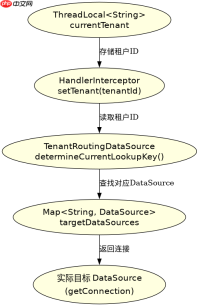
import org.springframework.jdbc.datasource.lookup.AbstractRoutingDataSource;
import java.util.Map;
import java.util.concurrent.ConcurrentHashMap;

public class TenantRoutingDataSource extends AbstractRoutingDataSource {
    private static final ThreadLocal<string> currentTenant = new ThreadLocal();
    private final Map<string object> targetDataSources = new ConcurrentHashMap();

    public void addTenantDataSource(String tenantId, DataSource ds) {
        targetDataSources.put(tenantId, ds);
        setTargetDataSources(targetDataSources);
        afterPropertiesSet();
    }

    public static void setTenant(String tenantId) {
        currentTenant.set(tenantId);
    }

    public static void clearTenant() {
        currentTenant.remove();
    }

    @Override
    protected Object determineCurrentLookupKey() {
        return currentTenant.get();
    }
}</string></string>
ShardingSphere-JDBC 如何实现多租户分片配置
使用 ShardingSphere-JDBC 可以通过 YAML 或 Java API 配置多租户规则,将不同租户的数据分散到不同的逻辑表或物理表中。在配置文件中,需定义 shardingRule 下的 tables 和 bindingTables,并指定 databaseStrategy 和 tableStrategy 的分片算法。例如,可以使用 StandardShardingAlgorithm 根据租户 ID 取模分配到不同的数据库节点。这种方式的优势在于对应用代码透明,SQL 无需修改即可自动路由。同时,它支持水平扩展,适合大规模多租户场景。需要注意的是,分片键的选择直接影响查询性能,通常建议将租户 ID 作为分片键以确保同一租户的数据集中在少数节点上。

使用Atmosphere构建通过WebSocket、SSE、gRPC、WebTransport、MCP、A2A和AG-UI流传输的JVM代理网关,并带有治理钩子。
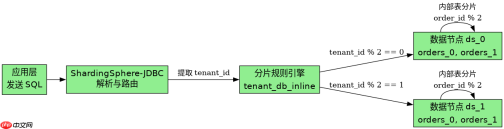
# sharding.yaml 示例片段
rules:
- !SHARDING
  tables:
    orders:
      actualDataNodes: ds_${0..1}.orders_${0..1}
      databaseStrategy:
        standard:
          shardingColumn: tenant_id
          shardingAlgorithmName: tenant_db_inline
      tableStrategy:
        standard:
          shardingColumn: order_id
          shardingAlgorithmName: order_id_inline
  shardingAlgorithms:
    tenant_db_inline:
      type: INLINE
      props:
        algorithm-expression: ds_${tenant_id % 2}
    order_id_inline:
      type: INLINE
      props:
        algorithm-expression: orders_${order_id % 2}
当租户 ID 缺失时连接池如何处理默认行为
在动态数据源路由场景中,如果当前线程未设置租户 ID,determineCurrentLookupKey() 将返回 null。此时,AbstractRoutingDataSource 会回退到 defaultTargetDataSource 指定的默认数据源。若未配置默认数据源,则会抛出 IllegalStateException,提示无法确定目标数据源。为避免此类错误,应在初始化时显式设置一个默认数据源,通常指向主库或公共库。此外,建议在业务层增加校验逻辑,在请求进入前检查租户上下文是否有效,从而提前拦截非法请求。这种机制确保了系统在异常情况下仍能保持基本可用性,同时防止因上下文丢失导致的数据错乱。
Java免费学习笔记:立即使用
解锁 Java 大师之旅:从入门到精通的终极指南


