






在 java 异常处理中,于 finally 块中关闭资源存在两个主要问题:一是如果关闭操作本身抛出异常,会掩盖(suppressed)原始异常,导致无法定位真正的错误源头;二是手动管理资源容易遗漏或出错,且代码冗长。推荐使用 try-with-resources 语句自动管理资源。
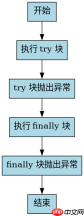
finally 中关闭资源如何掩盖原始异常
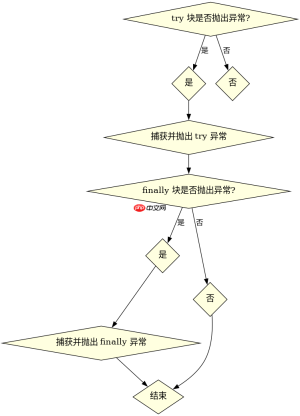
当 try 块和 finally 块都抛出异常时,finally 中的异常会覆盖 try 中的异常。这会导致调用者只能看到资源关闭失败的异常,而丢失了业务逻辑错误的信息。
import java.io.*;

public class FinallyException {
    public static void main(String[] args) {
        try {
            process();
        } catch (Exception e) {
            System.out.println("Caught: " + e.getClass().getName());
            System.out.println("Message: " + e.getMessage());
        }
    }

    public static void process() throws Exception {
        BufferedReader reader = new BufferedReader(new FileReader("nonexistent.txt"));
        try {
            // 模拟业务逻辑异常
            throw new RuntimeException("Business Error");
        } finally {
            // 模拟关闭资源时也发生异常
            throw new IOException("Close Error");
        }
    }
}
预期输出:
Caught: java.io.IOException
Message: Close Error
try-with-resources 如何解决异常掩盖问题
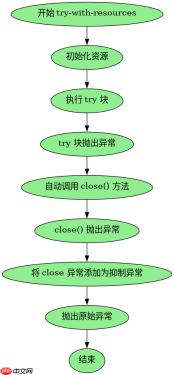
Java 7 引入的 try-with-resources 语句会自动调用资源的 close() 方法。如果 try 块和 close() 方法都抛出异常,原始异常会被保留,而关闭异常会被作为“抑制异常”附加到原始异常上。这样既能保证资源被正确关闭,又能保留原始错误信息。

import java.io.*;

public class TryWithResources {
    public static void main(String[] args) {
        try {
            processSafe();
        } catch (Exception e) {
            System.out.println("Caught: " + e.getClass().getName());
            System.out.println("Message: " + e.getMessage());
            for (Throwable suppressed : e.getSuppressed()) {
                System.out.println("Suppressed: " + suppressed.getClass().getName());
            }
        }
    }

    public static void processSafe() throws Exception {
        // 使用 try-with-resources 自动管理资源
        try (BufferedReader reader = new BufferedReader(new FileReader("nonexistent.txt"))) {
            // 模拟业务逻辑异常
            throw new RuntimeException("Business Error");
        }
    }
}
预期输出:
Caught: java.lang.RuntimeException
Message: Business Error
Suppressed: java.io.FileNotFoundException
try-with-resources 中 close() 方法的执行顺序
在使用 try-with-resources 声明多个资源时,close() 方法的执行顺序与资源声明的顺序相反。即最后声明的资源最先被关闭。这种逆序关闭机制可以确保依赖关系正确的资源能够被安全地释放。
Java免费学习笔记:立即使用
解锁 Java 大师之旅:从入门到精通的终极指南


