






completablefuture 的 thenapplyasync 方法用于在当前任务完成后,异步执行一个转换函数并返回一个新的 completablefuture。调用该方法时,若不提供自定义 executor,默认使用 forkjoinpool.commonpool();若提供自定义线程池,则在该池中执行。此方法适用于需要非阻塞地处理上游结果并生成新值的场景。

如何指定自定义线程池执行转换逻辑
通过传入第二个参数 Executor,可以将转换逻辑调度到指定的线程池中运行,从而避免与公共池竞争资源或满足特定的线程管理需求。例如,创建一个固定大小的线程池 myExecutor,并在 thenApplyAsync 中传入它,即可确保转换代码在 myExecutor 中异步执行。

import java.util.concurrent.CompletableFuture;
import java.util.concurrent.ExecutorService;
import java.util.concurrent.Executors;

public class Main {
    public static void main(String[] args) {
        ExecutorService myExecutor = Executors.newFixedThreadPool(2);

        CompletableFuture<string> future = CompletableFuture.supplyAsync(() -> "Hello")
                .thenApplyAsync(s -> s + " World", myExecutor)
                .thenAccept(System.out::println);

        try { Thread.sleep(1000); } catch (InterruptedException e) {}
        myExecutor.shutdown();
    }
}</string>
预期输出:
Hello World
如何处理转换过程中的异常
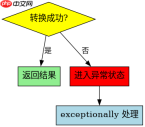
如果转换函数在执行过程中抛出异常,后续的 thenApplyAsync 链将中断,且返回的 CompletableFuture 会进入异常状态。可以通过链式调用 exceptionally 方法来捕获并处理这些异常,或者使用 handle 方法来同时处理正常结果和异常。例如,在 thenApplyAsync 后添加 .exceptionally(ex -> "Error"),当转换失败时,最终结果将变为 "Error"。

import java.util.concurrent.CompletableFuture;

public class Main {
    public static void main(String[] args) {
        CompletableFuture<string> future = CompletableFuture.supplyAsync(() -> "Data")
                .thenApplyAsync(s -> { throw new RuntimeException("Fail"); })
                .exceptionally(ex -> "Handled Error");

        System.out.println(future.join());
    }
}</string>
预期输出:
Handled Error
基于输入字符串长度进行条件转换的具体问题
当需要根据上游结果的特定属性(如字符串长度)来决定转换逻辑时,可以在 thenApplyAsync 的转换函数内部嵌入条件判断。例如,若输入字符串长度大于5,则转换为大写;否则保持原样。这种处理方式保持了异步链的连贯性,无需拆分多个步骤。
Java免费学习笔记:立即使用
解锁 Java 大师之旅:从入门到精通的终极指南


