在c#中使用linq转换整数集合时,遇到无效字符串应使用 int.tryparse 进行安全解析,通过返回布尔值判断是否成功,从而过滤掉无法转换的项或提供默认值。具体做法是在 select 或 where 中结合 tryparse,避免抛出异常导致程序中断。
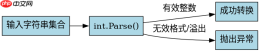
int.Parse 遇到无效输入会抛出什么异常
int.Parse 遇到无效输入时会抛出 FormatException(格式错误)或 OverflowException(数值溢出)。例如,将字母字符串 "abc" 传入会引发 FormatException,而将超出 int 范围的数字 "999999999999" 则会引发 OverflowException。这两种情况都会导致 LINQ 查询中断,除非使用 try-catch 包裹,但这在 LINQ 表达式中并不推荐,因为异常处理开销大且难以在流式操作中优雅处理。
using System;
using System.Linq;

string[] inputs = { "10", "20", "abc", "30" };
try {
    var result = inputs.Select(s => int.Parse(s)).ToList();
} catch (FormatException ex) {
    Console.WriteLine($"Format Error: {ex.Message}");
}
如何安全过滤掉无效的字符串元素
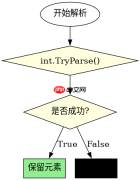
要安全地过滤掉无效字符串,应在 LINQ 的 Where 子句中使用 int.TryParse。该方法尝试将字符串转换为整数,如果成功则返回 true 并将结果存入输出参数,否则返回 false。通过在 Where 中调用 TryParse 并检查其返回值,可以确保只有有效的整数被保留下来,无效的元素会被自动忽略,从而保证后续 Select 操作的稳定性。


using System;
using System.Linq;

string[] inputs = { "10", "20", "abc", "30" };
var validInts = inputs
    .Where(s => int.TryParse(s, out _))
    .Select(int.Parse)
    .ToList();
Console.WriteLine(string.Join(", ", validInts)); // 输出: 10, 20, 30
当使用 out 参数时,如何获取转换后的整数值
在使用 int.TryParse 时,可以通过声明一个 out 变量来获取转换后的整数值。如果在 Where 中需要同时保留原始字符串和转换后的整数,可以使用 let 关键字或匿名对象。例如,先通过 TryParse 验证并赋值给 out 变量,然后在 Select 中直接使用该变量,这样可以避免重复解析,提高性能并确保数据一致性。
using System;
using System.Linq;

string[] inputs = { "10", "20", "abc", "30" };
var parsedResults = inputs
    .Select(s => new { Original = s, Value = int.TryParse(s, out int val) ? val : (int?)null })
    .Where(x => x.Value.HasValue)
    .Select(x => x.Value.Value)
    .ToList();
Console.WriteLine(string.Join(", ", parsedResults)); // 输出: 10, 20, 30