





nginx 不支持原生数据库认证模块,需通过编译第三方模块(不推荐)或 auth_request + 外部服务(推荐)实现;前者存在安全与性能缺陷,后者解耦认证逻辑、支持现代密码哈希与扩展功能。
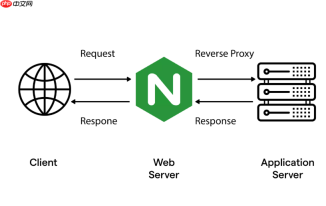
Nginx 本身不内置数据库直连能力,安装时无法直接“配置集成数据库认证模块”,因为官方 Nginx 不提供 auth_mysql、auth_postgresql 等原生数据库认证模块。所谓“集成数据库认证”,实际是通过两种成熟路径实现的:一种是编译第三方模块(不推荐生产环境),另一种是更安全、主流且可扩展的外部服务委托方式(强烈推荐)。
下面分两类说明关键操作和注意事项:
编译第三方数据库认证模块(如 ngx_http_auth_mysql_module)
该方式需在 Nginx 源码编译阶段显式加入模块,并链接 MySQL 客户端库:
- 下载兼容版本的模块源码(例如 nginx-auth-mysql),确认其支持你使用的 Nginx 版本(如 1.20+);
- 安装依赖:
# Ubuntu/Debian
sudo apt install libmysqlclient-dev libssl-dev build-essential
# CentOS/RHEL
sudo yum install mysql-devel openssl-devel gcc make
- 编译 Nginx 时添加模块:
./configure \
  --with-http_ssl_module \
  --add-module=/path/to/nginx-module-auth-mysql \
  --with-cc-opt="-I/usr/include/mysql" \
  --with-ld-opt="-L/usr/lib64/mysql -lmysqlclient -lcrypto"
make && sudo make install
- 配置示例(在 location 中启用):
location /protected/ {
    auth_mysql on;
    auth_mysql_servers 127.0.0.1:3306;
    auth_mysql_user "nginx_auth";
    auth_mysql_password "secret";
    auth_mysql_database "authdb";
    auth_mysql_query "SELECT password FROM users WHERE username='%u' AND active=1";
    auth_mysql_password_field "password";
    auth_mysql_md5 off;  # 若密码存 bcrypt,需模块支持或改用明文比对(不安全)
    proxy_pass http://backend;
}
⚠️ 注意:
- 该模块长期未更新,多数不支持现代密码哈希(如 bcrypt/scrypt),易引发安全风险;
- MySQL 连接凭据硬编码在配置中,权限管理困难;
- 每次认证都建立新数据库连接,无连接池,高并发下易成瓶颈;
- Nginx 官方不维护、不推荐此方式,已逐步被 auth_request 替代。
使用 auth_request 模块 + 外部认证服务(推荐方案)
这才是 Nginx 生产环境中实现数据库认证的标准、高效、可维护做法:

确保 Nginx 编译时启用了
--with-http_auth_request_module(主流发行版默认包含,可用nginx -V 2>&1 | grep auth_request验证);-
不需要修改 Nginx 安装过程,只需配置:
location /private/ { auth_request /auth-api; proxy_pass http://app; } location = /auth-api { internal; proxy_pass https://auth-service/auth; proxy_pass_request_body off; proxy_set_header Content-Length ""; proxy_set_header X-Forwarded-For $remote_addr; proxy_set_header X-Original-URI $request_uri; } -
后端认证服务(如 Python/FastAPI、Go 或 Node.js)负责:
- 解析
Authorization: Basic xxx头并 Base64 解码; - 查询数据库(支持连接池、缓存、索引优化);
- 使用 bcrypt 验证密码;
- 返回
200 OK(允许)或401 Unauthorized(拒绝); - 可扩展支持 RBAC、多因素、登录失败锁定等逻辑。
- 解析
✅ 优势明显:
- 数据库逻辑与 Web 代理完全解耦,便于测试、监控和升级;
- 认证服务可复用缓存(如 Redis)、限流、审计日志;
- Nginx 仅做轻量转发和状态判断,不承担业务复杂度;
- 支持 HTTPS、JWT、LDAP、OAuth2 等多种后端,不止于 MySQL。
不复杂但容易忽略。


